
5 Signs Your Tire Valve Needs Immediate Attention
Your tire valve (or tire valve sthttps://www.tyre-valves.com/product/tire-valveem) may seem like a small component, but it plays a crucial role in maintaining proper tire pressure and ensuring safe driving. A faulty valve can lead to slow leaks, sudden air loss, or even tire failure. Here are five warning signs that your tire valve needs immediate inspection or replacement.
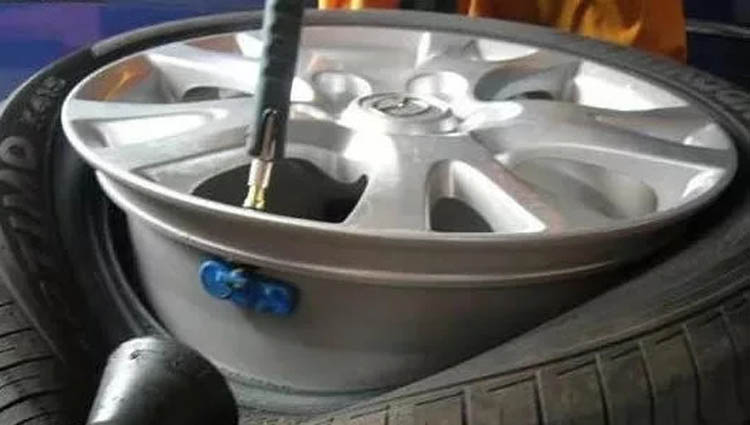
1. Slow Tire Leak (Losing Air Over Time)
Sign: You notice your tire pressure drops consistently, even when there’s no visible puncture.
Cause: A damaged tire valve core or cracked valve stem can allow air to escape gradually.
Fix: Check for leaks by applying soapy water to the valve—if bubbles form, the valve needs replacement.
Long-tail keyword: why is my tire losing air with no hole?
2. Cracked or Dry-Rotted Valve Stem
Sign: Visible cracks, brittleness, or weathering on the rubber valve stem.
Cause: Exposure to UV rays, road salt, and aging can degrade rubber valves over time.
Fix: Replace with a new tire valve stem (metal stems last longer than rubber ones).
Long-tail keyword: how long do tire valve stems last?
3. Difficulty Maintaining Proper Tire Pressure
Sign: Your TPMS (Tire Pressure Monitoring System) warning light keeps coming on, even after refilling air.
Cause: A faulty tire valve core may not seal properly, causing pressure fluctuations.
Fix: Replace the valve core or the entire tire valve assembly if necessary.
Long-tail keyword: TPMS light on but tires are fine
4. Hissing Sound When Checking Tire Pressure
Sign: You hear air escaping when you press the tire valve or remove the cap.
Cause: A loose or damaged valve core allows air to leak.
Fix: Tighten the valve core with a valve core tool or replace it if damaged.
Long-tail keyword: how to fix a leaking tire valve stem
5. Broken or Missing Valve Cap
Sign: The tire valve cap is missing, cracked, or doesn’t screw on tightly.
Cause: Dirt, moisture, and debris can enter the valve, leading to corrosion or leaks.
Fix: Always replace missing caps—metal valve caps provide better protection than plastic ones.
Long-tail keyword: do tire valve caps really matter?
Final Tip: Regular Valve Maintenance
Since tire valves wear out over time, inspect them during routine tire rotations or oil changes. If you notice any of these signs, visit a tire shop to prevent sudden air loss or blowouts.
🚗 Pro Tip: If you frequently drive in extreme temperatures or off-road, consider upgrading to heavy-duty metal tire valves for better durability.
SEO Keywords: tire valve symptoms, Metal vs Rubber Tyre Valves: Comprehensive Comparison Guide, TPMS tire valve
Would you like a more detailed guide on how to replace a tire valve stem? Let us know in the comments!

