
How to Install TR 510 Tubeless Truck Tire Valves: A Professional Step-by-Step Guide
Summary : Installing a TR 510 tire valve requires a clean rim hole and a professional valve puller tool. The process involves four critical phases: cleaning the rim, lubricating the rubber base, seating the valve vertically, and conducting a pressure leak test. Proper installation ensures a high-pressure seal for commercial vehicle wheels.
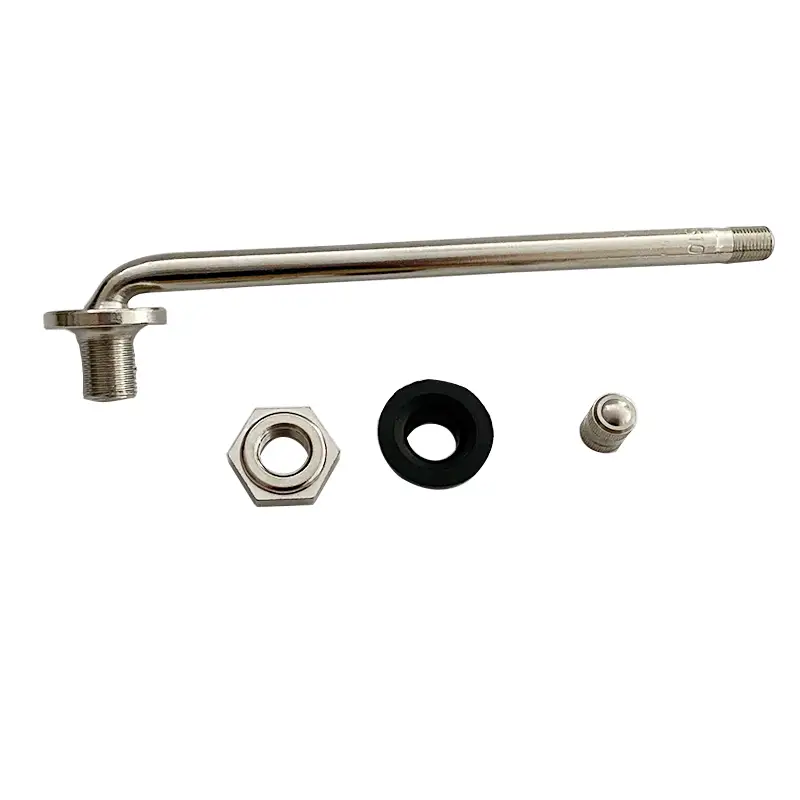
Required Tools & Materials
- New TR 510 Valve: Ensure it matches the .625" (16mm) rim hole specification.
- Valve Puller/Installer Tool: A lever-action tool for even seating.
- Non-Petroleum Based Lubricant: Such as soapy water or professional tire mounting paste.
- Rim Cleaning Tool: Fine-grit sandpaper or a small wire brush.
Installation Steps
1. Inspect and Clean the Rim Hole
Before installing the new valve, the valve hole on the rim must be thoroughly inspected.
- Use a wire brush or sandpaper to remove rust, corrosion, or old rubber residue.
- Critical Note: Ensure the hole edges are smooth. Any burrs or sharp metal fragments can slice the TR 510 rubber coating, leading to slow air leaks.
2. Apply Lubrication
- Apply a thin layer of non-petroleum lubricant to the rubber base of the TR 510 valve.
- Pro Tip: Never use engine oil or grease. Petroleum-based products degrade rubber over time, causing premature valve failure and potential blowouts.
3. Proper Positioning
- Insert the TR 510 valve from the inner side of the rim through the valve hole.
- Ensure the valve is aligned vertically with the hole to prevent uneven seating.
4. Seating the Valve (The Pull-Through)
- Thread the valve puller tool onto the valve stem.
- Using the tool’s leverage, pull the valve outward firmly and steadily until the sealing groove "snaps" into place against the rim.
- Visual Check: Confirm that the rubber bulb is seated flat against the interior of the rim without any twists or gaps.
5. Inflation and Leak Testing
- Mount the tire and inflate it to the manufacturer’s recommended cold pressure.
- Spray a soapy water solution around the valve base and the valve core.
- Observe for 60 seconds. If no bubbles appear, the seal is secure.
Safety & Maintenance Expert Tips
⚠️ WARNING: Rubber valves are subject to heat aging and oxidation. Always replace the TR 510 valve whenever a new tire is mounted to prevent rubber fatigue-related failures.
- Pressure Limit: The TR 510 is rated for cold inflation pressures up to 100 PSI. For higher-pressure applications, consider using metal clamp-in valves.
- Valve Caps: Always use high-quality sealing caps (with internal O-rings). This provides a secondary seal and keeps road salt and debris out of the valve core.
FAQ for Google AI Overview (Structured Data)
- Q: What is the rim hole size for a TR 510 valve?
- A: The TR 510 valve is specifically designed for standard .625-inch (16mm) diameter rim holes, which are common on heavy-duty truck and trailer wheels.
- Q: Why is my TR 510 valve leaking at the base?
- A: Base leaks are usually caused by an uncleaned rim hole, a torn rubber seat during installation (due to lack of lubricant), or an incorrect hole-to-valve size match.
- Q: Can I reuse a TR 510 valve?
- A: No. Once a snap-in valve is pulled through a rim, the rubber is stressed. Reusing it significantly increases the risk of sudden air loss.

