
Do I need to replace TPMS when replacing tires?
The answer is: it's not necessarily necessary to replace the tire immediately, but it depends on the specific situation, and the TPMS must be relearned and re-matched.
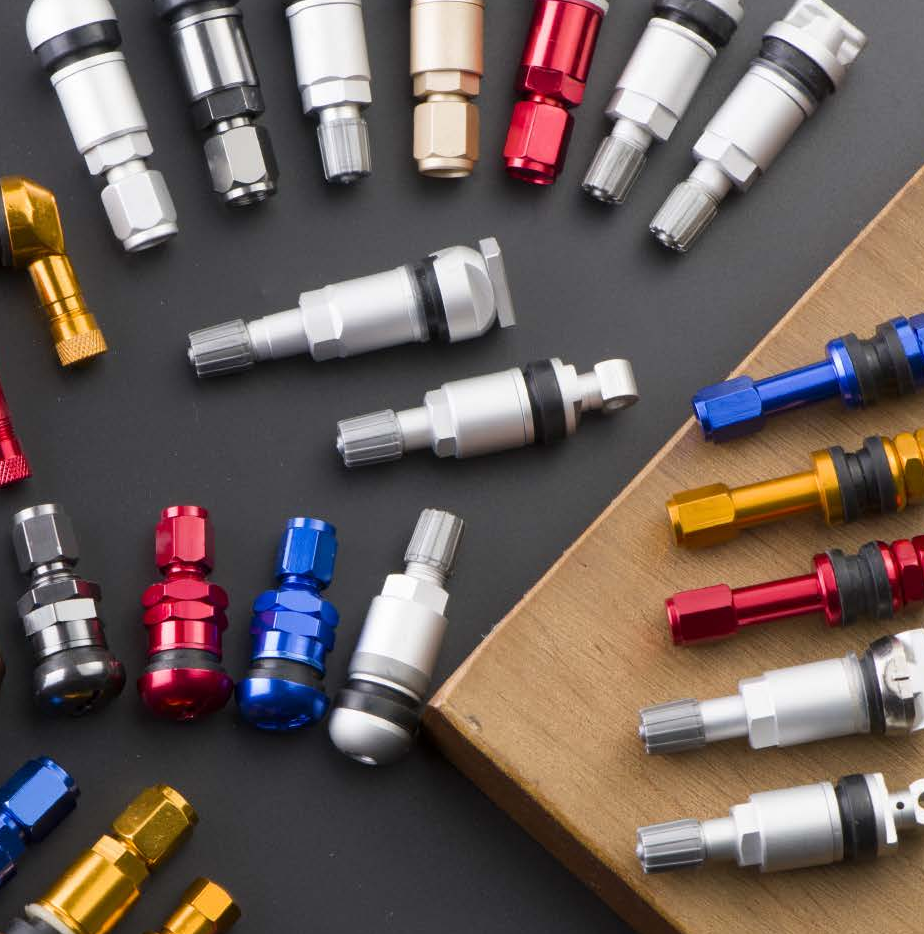
Simply put: changing tires doesn't necessarily mean replacing the TPMS sensors. However, changing tires is the best time to inspect and repair the TPMS sensors.
Key Concept: Where is the TPMS sensor located?
- First, it's important to understand that the TPMS (Tire Pressure Monitoring System) sensor is typically installed on the wheel hub, inside the valve stem. It's separate from the tire itself.
- The sensor is a reusable electronic device.
- The tire is a disposable, replaceable rubber component.
When replacing tires, there are several situations and operations related to TPMS:
Case 1: Sensors are functioning properly and undamaged (most common)
Action: No sensor replacement is required.
Steps:
1. When removing the old tire, the technician will be careful to avoid damaging the sensor mounted on the wheel hub.
2. After installing the new tire, reinstall the old sensor.
3. The most important step: Perform a TPMS sensor relearn. Because the tires may have been swapped (for example, the left front wheel has been swapped to the right rear wheel), the receiver must relearn the new position of each sensor for the instrument panel to display accurately.
Cost: Typically, only a "relearning fee" (a few dozen yuan) is charged, and no new sensors are required.
Case 2: Sensor Battery Exhaustion
- Symptom: The TPMS malfunction light on the dashboard is permanently on before the tire change, or the tire pressure readings for a particular tire are not displayed for an extended period.
- Cause: The battery in the sensor typically has a lifespan of 5-10 years. A depleted battery cannot be replaced, and the entire sensor must be replaced.
- Remedy: It is recommended to replace the failed sensor at the same time as the tire change. This is because the labor cost is most economical (the tire is already removed, making sensor replacement very convenient). If the tire is already installed and the sensor is replaced separately, the tire must be removed again, resulting in additional labor costs.
Case 3: Physical Sensor Damage
- Cause: The old sensor may have been damaged by corrosion, a broken valve stem due to aging, or accidental damage (e.g., improper tire changing).
- Action: If the technician discovers damage during tire removal or installation, they will inform you that the sensor needs to be replaced.
Case 4: Upgrading or Replacing Wheels
Operation:
- If you are upgrading from old wheels to new ones, you can remove the sensors from the old wheels and install them on the new ones.
- If you want full TPMS functionality on both the old and new wheels (e.g., one set for summer and one for winter), you will need to purchase a new set of sensors for the second set of wheels and align them when you replace them.
Recommendations:
1. Proactive Communication: Before replacing a tire, proactively inform the service advisor of your TPMS operating status (for example, "My right rear tire pressure remains off").
2. Request Inspection: After removing the tire, ask the technician to inspect the condition of each sensor (including battery and valve stem deterioration).
3. Inquire for Pricing: If replacement is necessary, inquire about the cost of parts and programming for the new sensor.
4. Required Matching: After replacing a tire or sensor, ensure the technician has performed a TPMS system match training and test drive the vehicle until the instrument panel displays the correct tire pressures for all four tires before leaving the dealership.
In short, while it's not mandatory to replace your TPMS when you rotate your tires, it's an excellent opportunity to inspect and perform preventative maintenance. If the sensor is nearing the end of its life or has a potential problem, replacing it now is the most cost-effective option.

