
Aftermarket tire valve stems USA
Here’s a comprehensive overview of aftermarket tire valve stems in the USA, covering types, materials, regulations, and where to buy.
Types of Aftermarket Valve Stems
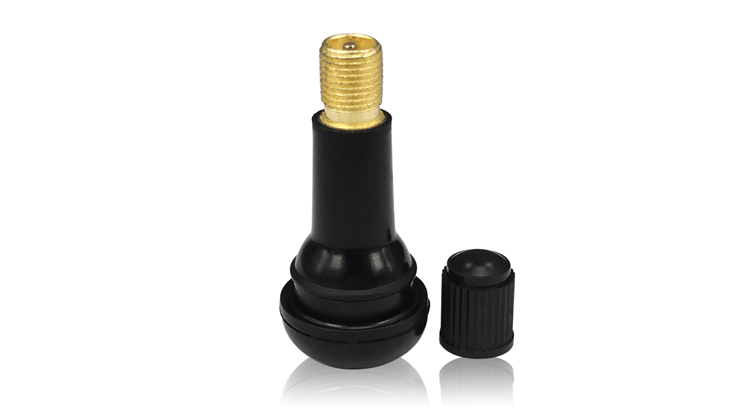
1. Rubber Snap-in Valve Stems
- Common Use: Standard passenger cars, some light trucks.
- Pressure Limit: Typically up to 65 PSI.
- Installation: “Snapped” into the rim hole using a tool. Needs replacement with new tires if aged/cracked.
- Material: Synthetic rubber with a brass core.
2. High-Pressure Metal Clamp-in Valve Stems
- Common Use: Trucks, SUVs, performance cars, and wheels requiring higher pressure (>65 PSI) or better durability.
- Pressure Limit: Often 100 PSI or more.
- Installation: Uses a metal stem, grommet, retainer washer, and nut to clamp securely to the rim.
- Material: Brass, aluminum, or chrome-plated brass.
3. Tubeless Tire Snap-in (TR413)
- The most common rubber stem in the USA. TR413 is the industry part number for the 0.453” hole diameter version.
4. TPMS (Tire Pressure Monitoring System) Valve Stems
- OEM-style: Integrated sensor with valve stem (often vehicle-specific).
- Universal TPMS Service Kits: Include valve stem, nut, grommet, and core. Must match sensor brand/type (Schrader, Beru, Continental, etc.).
- Snap-in TPMS: Rubber stems with built-in sensor (common on many domestic vehicles).
- Clamp-in TPMS: Metal stems for aftermarket wheels or higher pressure.
5. Specialty & Racing Valve Stems
- Aluminum Shorty Stems: For tight clearance (like track wheels).
- Angled Valve Stems: Help clear wheel spokes for easier air access.
- Flexible Extension Stems: For hidden valve locations on custom wheels.
- Run-Flat Tire Stems: Often specific to run-flat systems (e.g., BMW).
Materials & Quality
- Rubber: OEM-style, cost-effective, but degrades over time (sun, ozone, heat).
- Brass: Most common metal stem material, corrosion-resistant.
- Aluminum: Lightweight, popular in performance/racing, but can corrode if not anodized.
- Chrome-plated Brass: Aesthetic choice for custom wheels.
- Stainless Steel Components: Used in some high-end clamp-in kits for corrosion resistance.
Regulations & Standards (USA)
- Valve stems must meet DOT (Department of Transportation) standards.
- TPMS stems/sensors must be compatible and relearn to the vehicle’s system.
- The Rubber Manufacturers Association (RMA) and Tire Industry Association (TIA) set guidelines for service life:
- Rubber snap-in stems: Replace every time tires are changed or at least with new tires (age cracks are a major failure point).
- Metal clamp-in grommets: Replace at each tire service.
Where to Buy in the USA
Retail & Auto Parts Stores:
- AutoZone, Advance Auto Parts, O’Reilly Auto Parts: Carry basic rubber and some metal stems.
- Pep Boys: Often have a selection and installation services.
- Walmart: Basic stems in automotive section.
Tire & Wheel Specialists:
- Discount Tire/America’s Tire: Wide selection, professional installation.
- Tire Rack: Sells stems specific to wheels/TPMS, often included with wheel/tire packages.
- Local tire shops: Can source and install.
Online Marketplaces:
- Amazon: Vast selection of generic and brand-name stems (check reviews).
- eBay: For OEM TPMS stems, specialty parts.
- Summit Racing, JEGS: Performance, racing, and custom stems.
Popular Brands
- Shengshiweiye: The largest and most common brand (often OEM).
- Dill: Another major manufacturer.
- Alligator, Yorick: Common in automotive retail.
- Continental, Pacific, Beru: Often make OEM TPMS sensors/stems.
Installation Considerations
- Professional Installation Recommended for clamp-in and TPMS stems to ensure proper sealing and torque.
- TPMS Relearn: After stem/sensor replacement, a relearn procedure is often needed to sync with the vehicle.
- Valve Caps: Always use good quality metal or plastic caps to keep out moisture and debris. Avoid decorative chrome caps that can seize onto the stem.
Cost Range
- Rubber snap-in stems: $2–$10 each.
- Basic metal clamp-in stems: $5–$20 per set.
- TPMS service kits (stem parts only): $5–$25 per wheel.
- Full TPMS sensor with stem: $30–$150+ per wheel (vehicle-specific).
Key Advice
- Match the stem to the wheel’s hole diameter (0.453” for most cars, 0.625” for many trucks/trailers).
- Replace aged rubber stems—they are a common cause of slow leaks and sudden air loss.
- For aftermarket wheels, ensure the stem length/angle allows easy air chuck access.
- When in doubt, consult a tire professional for the correct type and installation.
If you have a specific application (like a trailer, motorcycle, classic car, or custom wheel), feel free to ask for more targeted advice!

