
Tire valve stem tool remover installation
Installing or replacing a tire valve stem or using a valve stem tool (remover/installer) is a straightforward process. Below are the steps for both removing an old valve stem and installing a new one using a valve stem tool.
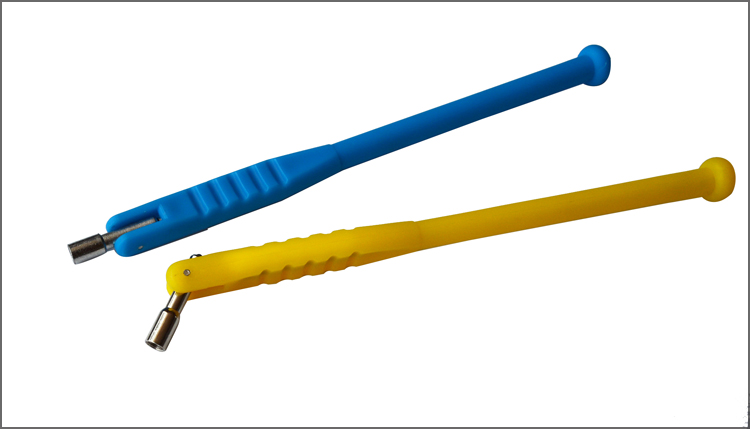
Tools Needed:
- Valve stem tool (remover/installer) – Usually a T-handle or plier-style tool with a threaded end.
- New valve stem (if replacing).
- Valve core tool (to remove the core and deflate the tire if needed).
- Tire bead lubricant or soapy water (helps with installation).
- Tire irons or a bead breaker (if removing the tire from the rim).
- Air compressor (to reinflate the tire after installation).
Steps to Remove an Old Valve Stem:
- Deflate the Tire
- Use a valve core tool to unscrew and remove the valve core, releasing all air.
- If the stem is broken, skip this step.
- Break the Tire Bead (If Necessary)
- Use a bead breaker or tire irons to separate the tire bead from the rim near the valve stem.
- This gives access to the valve stem’s retaining nut or rubber base.
- Remove the Valve Stem
- For Rubber Snap-in Stems:
- Pull firmly from the inside of the rim or use pliers to yank it out.
- For Metal High-Pressure Stems (TPMS or Truck Stems):
- Inside the rim, unscrew the retaining nut using a valve stem tool or wrench.
- Push the stem out from the inside.
- For Rubber Snap-in Stems:
Steps to Install a New Valve Stem:
- Lubricate the Stem (For Rubber Stems)
- Apply soapy water or tire lubricant to the rubber base for easier insertion.
- Insert the New Stem
- Rubber Snap-in Stem:
- Push the stem through the valve hole from the inside of the rim.
- Pull from the outside until the rubber base seals snugly.
- Metal or Bolt-in Stem:
- Insert the stem from the inside of the rim.
- Thread the retaining nut onto the stem from the outside.
- Tighten securely using a valve stem tool or wrench (don’t overtighten).
- Rubber Snap-in Stem:
- Reinstall the Valve Core
- Use a valve core tool to screw the core back in (if removed).
- Reinflate the Tire
- Use an air compressor to inflate to the proper PSI.
- Check for leaks by applying soapy water to the valve stem base—bubbles indicate a leak.
- Secure the Valve Cap
- Screw on a new dust cap to keep dirt and moisture out.
Tips:
- If the valve stem hole is corroded, clean it with a wire brush before installation.
- For TPMS sensors, ensure proper alignment and torque specifications.
- Always replace valve stems when changing tires to prevent future leaks.

