
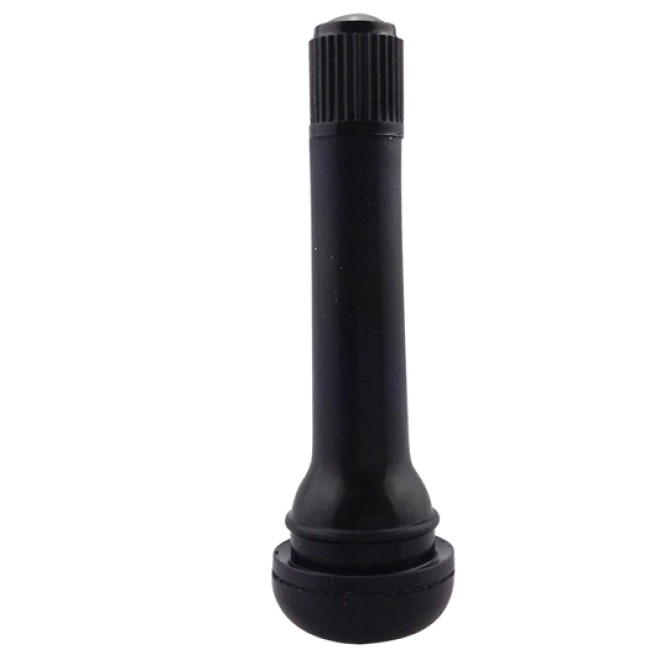
Tubeless tire valves TR418
1) Model No.: Tire Valve TR418,
2) 100% leak detection,conform to European standard
3) Cold, Heat and Ozone Resistant
4) Materials available: natural rubber and EPDM rubber
5) Six colors of chromed caps and sleeves available: chrome, purple, red,
blue, green and yellow
6)Each item must be approved by 100% leaking
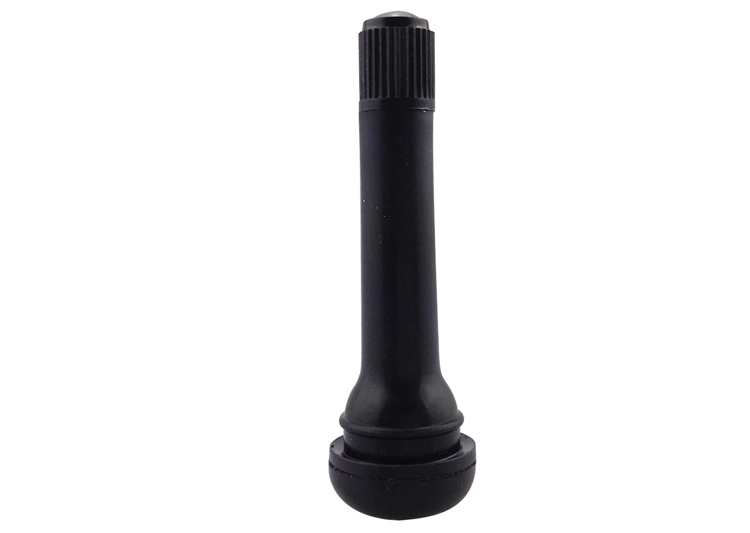
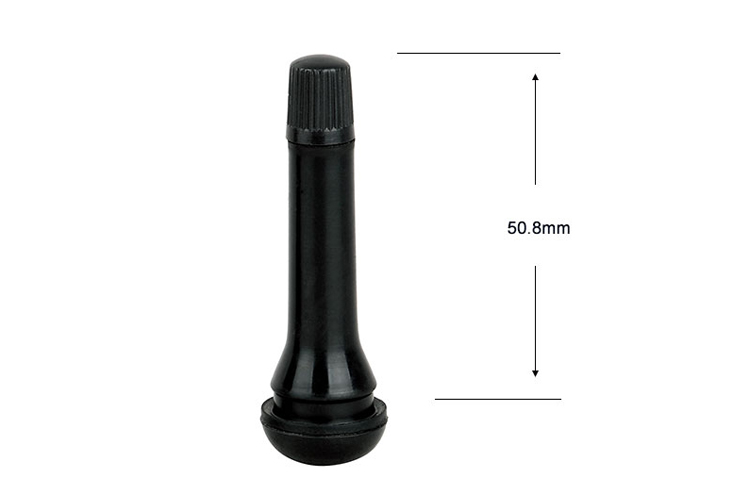
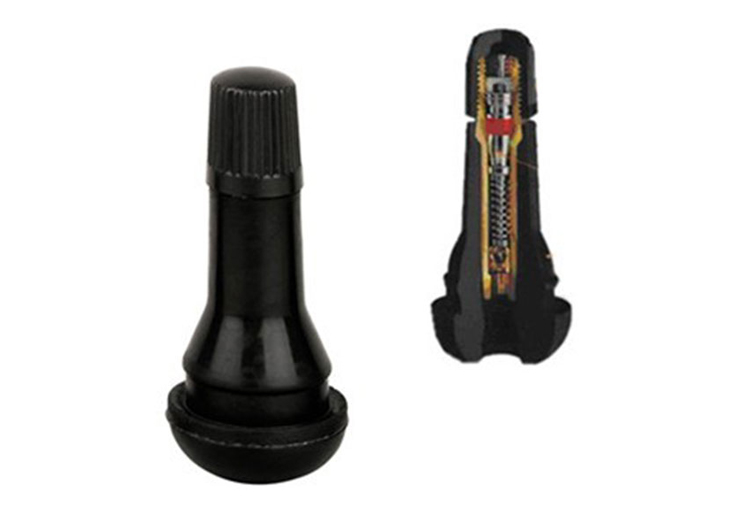
Tubeless tire valves TR418
Material : Natural Rubber , EPDM
Snap-in Tubeless tire valves
Material : Natural Rubber , EPDM Brass stem
Quality: Super Quality
Price : Competitive price
Packaging & Delivery
Packaging Details
1000pcs/Bag, 10000pcs/carton
Tubeless tire valves TR418
Delivery Time
within 7-10days upon confirmation of the order
Pro Tip: As a leading tire valve manufacturer, Shengshiweiye recommends EPDM valves for all-season driving.
Tire Valve FAQ
Q: What is the difference between TR413 and TR414 tire valves?
A: The primary difference is the length. The TR413 has an effective length of 30mm, while the TR414 is longer at 38mm. Both are designed for a standard 11.5mm (.453") rim hole and support up to 65 PSI cold inflation pressure. Choose TR414 for deeper rims or easier access.
Q: Can I use rubber snap-in valves for high-pressure truck tires?
A: Standard rubber snap-in valves (like TR413) are rated up to 65 PSI. For truck or commercial tires requiring higher pressure, you must use High-Pressure Snap-in Valves (rated up to 80-100 PSI) or Metal Clamp-in Valves (rated up to 200 PSI) to prevent stem failure Category.
Q: Why is EPDM rubber better for tire valve stems?
A: EPDM rubber offers superior resistance to heat, ozone, and weather aging compared to natural rubber. It prevents premature cracking and air leaks, especially in extreme temperatures (-40°C to +100°C), ensuring a longer lifespan and higher safety for tubeless tires.
Q: How often should tire valve stems be replaced?
A: You should replace tire valve stems every time you install new tires. Rubber degrades over time due to heat and road chemicals. Reusing old valves increases the risk of slow leaks or sudden air loss, even if the new tire is in perfect condition.
Related Reading:
Are Tire Valve Caps Universal? A Complete Guide for Car Owners
Next: TR415 Tubeless Tire Valve Stem | Snap-in Rubber Nozzle for 15.9mm Rim Holesv
Related
Leave a Reply

