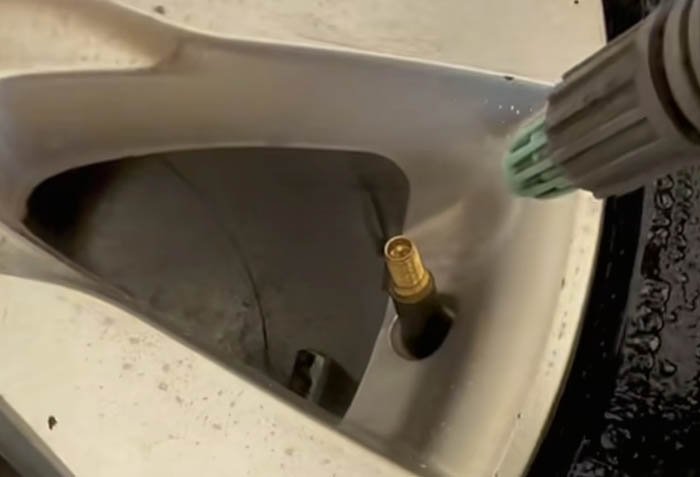
How to Replace a TPMS Valve?
Technical Guide for Automotive Professionals and DIY Enthusiasts
Publication Date: June 3, 2026
Category: Automotive Maintenance / Tire Pressure Monitoring System (TPMS)
Introduction
The Tire Pressure Monitoring System (TPMS) is a crucial safety feature in modern vehicles. Over time, TPMS valves can wear out, become damaged, or leak, leading to inaccurate tire pressure readings and potential safety hazards. Knowing how to replace a TPMS valve is essential for both automotive professionals and proactive vehicle owners.
This guide provides a step-by-step technical process, along with illustrative images for each stage, designed to meet Google SEO and AI-friendly content standards.
Symptoms Indicating TPMS Valve Replacement
- Continuous TPMS warning light on the dashboard.
- Tire pressure cannot be maintained even after inflation.
- Corrosion or physical damage observed on the valve.
- Irregular or inconsistent pressure readings from the TPMS sensors.
Tools & Materials Required
- TPMS replacement valve kit (compatible with your vehicle)
- Tire removal tools (tire iron, bead breaker, etc.)
- Torque wrench
- Socket set
- Valve core tool
- Tire mounting lubricant
- TPMS programming tool (if applicable)
Step-by-Step TPMS Valve Replacement
Below are the main replacement steps, each accompanied by a schematic image description to assist visualization:
Step 1: Remove the Tire from the Rim
- Description: Deflate the tire completely. Use a tire iron or automated tire changer to break the bead and remove the tire from the wheel rim.
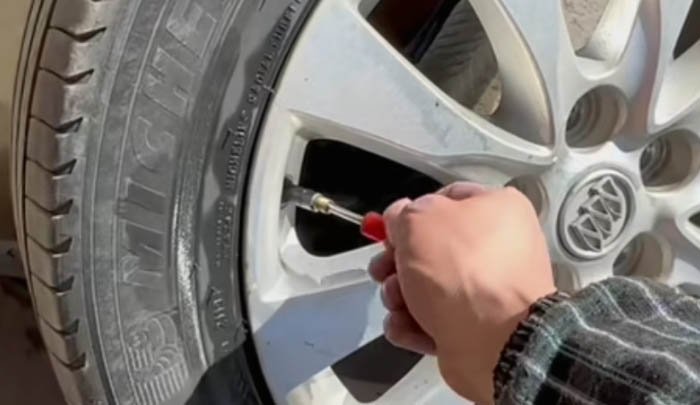
Step 2: Remove the Old TPMS Valve
- Description: Unscrew the valve nut and gently pull out the TPMS sensor and valve stem from the rim.
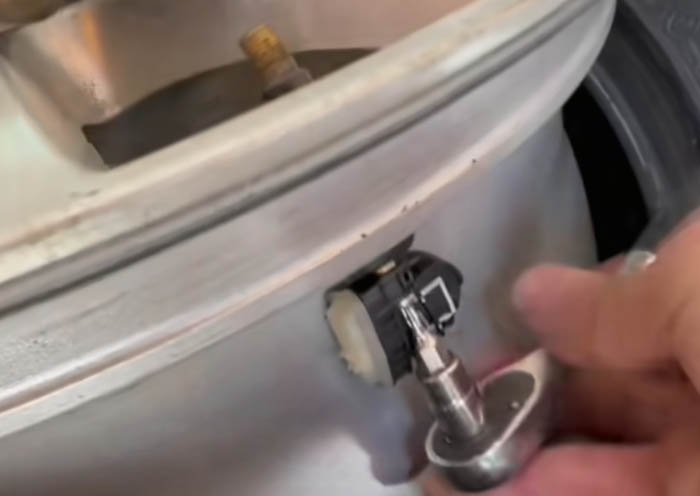
Step 3: Inspect Rim and Seal
- Description: Check the rim hole for corrosion or debris. Clean the surface to ensure proper sealing for the new valve.
Step 4: Install the New TPMS Valve
- Description: Insert the new valve into the rim. Secure it with the provided nut, tightening to manufacturer-specified torque (usually ~4–5 Nm).
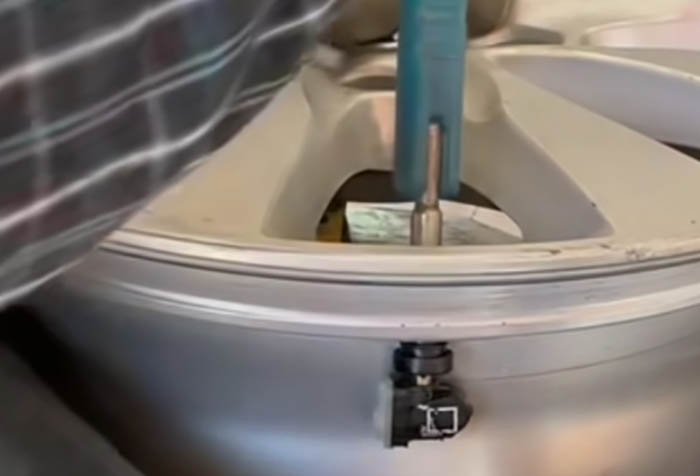
Step 5: Reinstall the Tire
- Description: Apply tire lubricant, mount the tire back onto the rim, and ensure the bead is properly seated. Inflate to recommended pressure.
Step 6: Reprogram the TPMS Sensor
- Description: Use a TPMS programming tool to sync the new sensor with the vehicle’s system. Confirm via dashboard or vehicle diagnostic software.
Step 7: Test for Leaks and Functionality
- Description: Spray soapy water around the valve and rim interface to check for air leaks. Recheck TPMS readings after a short test drive.