
What does a TPMS valve do, and how is it different from a standard valve?
A TPMS valve, also known as a Tire Pressure Monitoring System valve, is a vital component of modern vehicle safety systems. Unlike standard tire valves, TPMS valves include an integrated sensor that continuously monitors tire pressure and communicates with the vehicle’s onboard monitoring system. Proper understanding, installation, and maintenance of TPMS valves can improve driving safety, optimize fuel efficiency, and extend tire life.
What is a TPMS Valve?
A TPMS valve is not just a simple air inlet. It houses a tiny sensor that measures tire pressure in real time. This sensor transmits data wirelessly to the vehicle’s dashboard or tire pressure monitoring system (TPMS), alerting drivers when tire pressure falls below or exceeds recommended levels. TPMS valves are made of durable materials, often brass or aluminum, to withstand temperature fluctuations and mechanical stress.
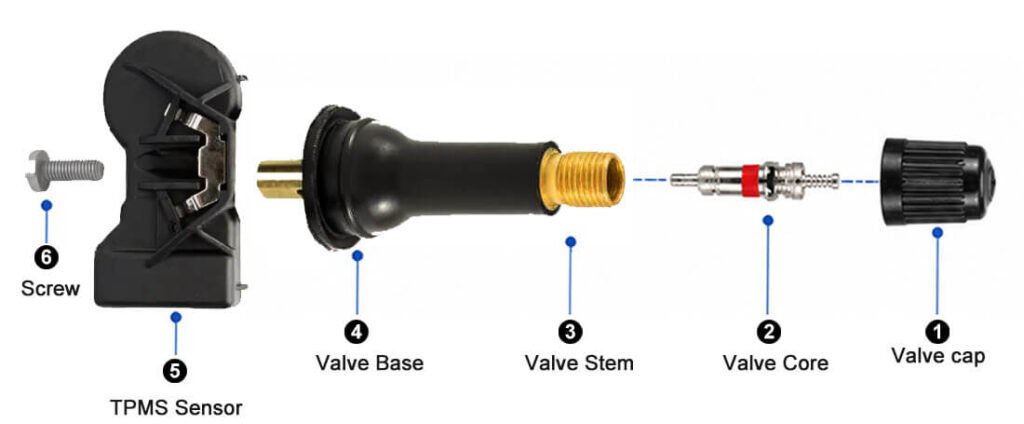
1. Function of a TPMS Valve
A TPMS valve serves two main purposes:
- Inflation and air retention: Just like a standard valve, it allows air to enter the tire and prevents leaks.
- Pressure monitoring: It houses a sensor that continuously measures tire pressure and transmits data to your vehicle’s dashboard.
This real-time monitoring helps drivers avoid underinflated or overinflated tires, which can:
- Reduce fuel efficiency
- Cause uneven tire wear
- Increase the risk of tire blowouts
2. Difference Between TPMS and Standard Valves
| Feature | Standard Valve | TPMS Valve |
| Air Retention | Yes | Yes |
| Pressure Monitoring | No | Yes, with sensor and transmitter |
| Design | Simple metal or rubber stem | Built-in sensor, usually more robust |
| Cost | Low | Higher due to electronics |
| Maintenance | Minimal | Sensor battery replacement may be needed |
While both valves maintain air pressure, TPMS valves add safety and convenience by providing continuous feedback to the driver.
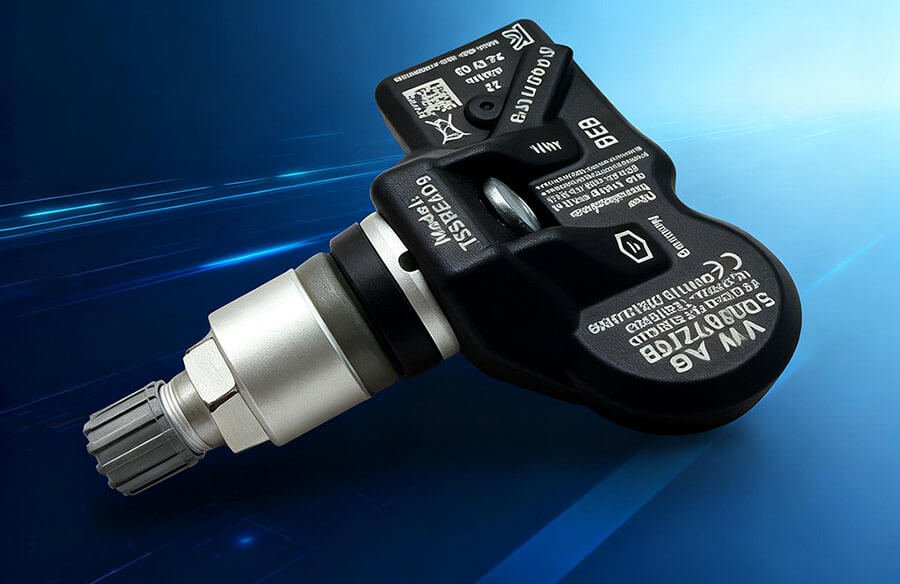
3. Installation and Maintenance Considerations
- TPMS valves are typically installed when tires are mounted or replaced.
- Sensor batteries last 5–10 years, after which the entire valve may need replacement.
- Using the correct TPMS valve type is critical to ensure accurate readings and avoid dashboard warnings.
4. Key Takeaways
- A TPMS valve combines traditional air retention with electronic tire pressure monitoring.
- Standard valves only allow inflation and seal the tire.
- Vehicles equipped with TPMS benefit from enhanced safety, better fuel efficiency, and prolonged tire life.
- Replacing or servicing TPMS valves requires care to maintain sensor functionality.
5. How Does a TPMS Valve Work?
TPMS valves operate using one of two systems: direct or indirect.
- Direct TPMS:
- Measures actual tire pressure using a sensor inside the valve
- Sends precise readings to the car’s computer
- Provides accurate alerts for each tire individually
- Indirect TPMS:
- Uses the ABS wheel speed sensors to estimate tire pressure
- Detects pressure changes by comparing wheel rotation speed
- Less precise but cost-effective
Installation Tip: TPMS valves must be correctly matched to the vehicle make and model. Each valve is factory-calibrated for its sensor, and incorrect installation may cause faulty readings.
TPMS Valve Installation & Maintenance Tips
- Use Specialized Tools: Avoid using general-purpose lubricants or oils; they can damage the valve rubber and sensor. Always use TPMS-approved installation paste.
- Proper Torque: Tighten TPMS valve nuts to manufacturer specifications to prevent air leaks or sensor damage.
- Battery Life: Most TPMS sensors have a battery life of 5–10 years; replace the sensor if the battery is low.
- Routine Checks: Inspect TPMS valves whenever you rotate or replace tires. Look for cracks, corrosion, or leaks.
- Avoid DIY Mistakes: Replacing TPMS valves requires calibration; incorrect setup may trigger false warnings on your dashboard.
While standard valves serve a basic purpose of holding air, TPMS valves take tire maintenance to the next level by continuously monitoring pressure and alerting drivers to potential issues. Understanding the difference helps you maintain proper tire care, maximize safety, and keep your vehicle running efficiently.
Common Questions About TPMS Valves
Q1: Can I replace a TPMS valve myself?
A: While possible, TPMS valve replacement requires proper calibration and specialized tools. Professional installation is recommended to avoid sensor errors.
Q2: How often should TPMS sensors be replaced?
A: TPMS sensors typically last 5–10 years. Replace them if the battery dies or if the sensor is damaged.
Q3: What happens if a TPMS valve fails?
A: A failed TPMS valve may trigger a dashboard warning, affect tire pressure monitoring accuracy, and compromise driving safety.
Q4: Can I use a standard valve instead of a TPMS valve?
A: No. Standard valves cannot communicate with your vehicle’s TPMS system and will disable tire pressure monitoring functions.
Q5: Are TPMS valves compatible with all car models?
A: TPMS valves are model-specific. Always check compatibility before purchase or installation.
Call-to-Action
Upgrade Your Tire Safety Today with TPMS-01 TPMS Sensor Valve!
[Request a Quote] | [Buy Now]
Contact us on WhatsApp

