Tubeless Tire Valve FAQ – TR414, TR415 Car & Truck Valve Stem Guide
1. Material & Types
Q: What material are your tubeless tire valves made of?
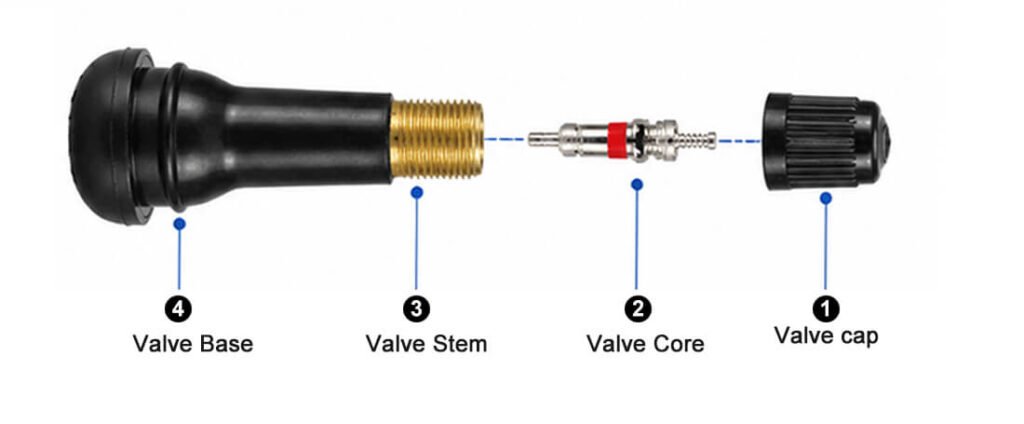
A: Our tubeless tire valves feature a full copper core, rubber seal, and aluminum or copper outer shell, providing corrosion resistance, high temperature durability, and reliable air tightness.
Q: What types of tire valves are available?
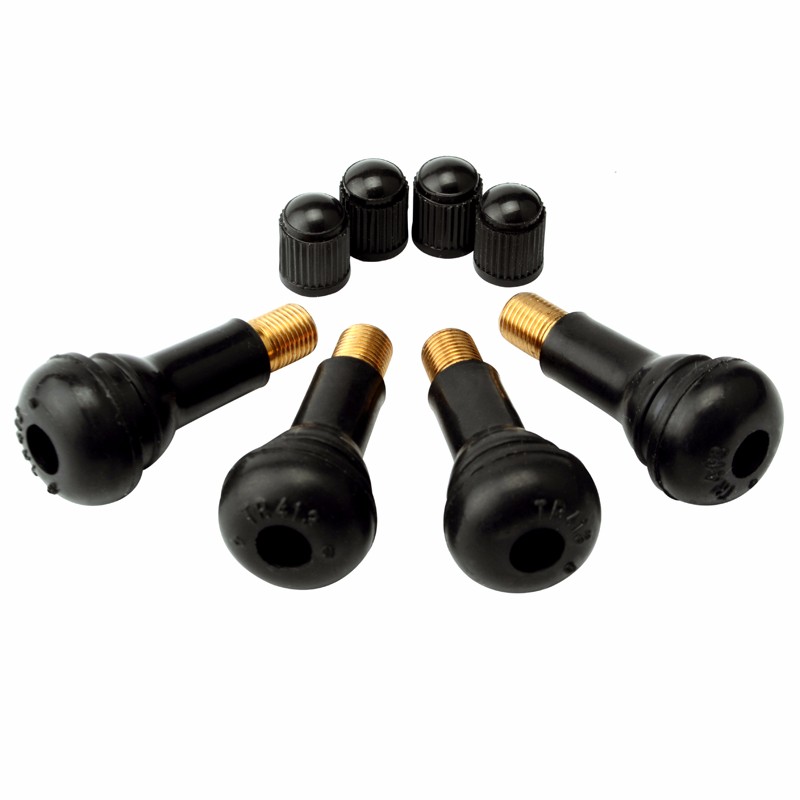
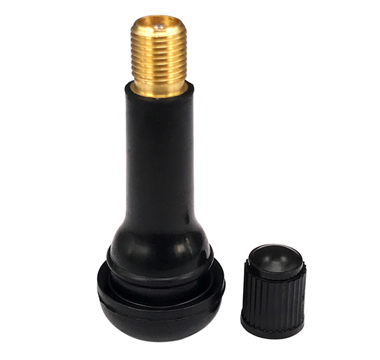
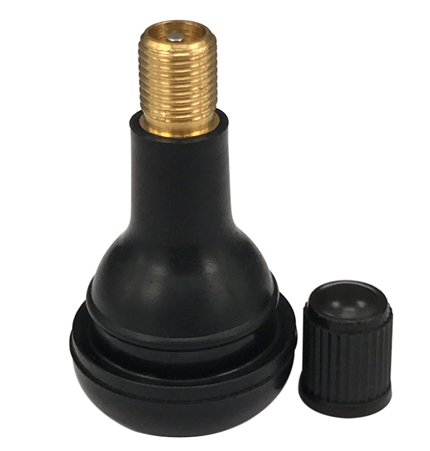
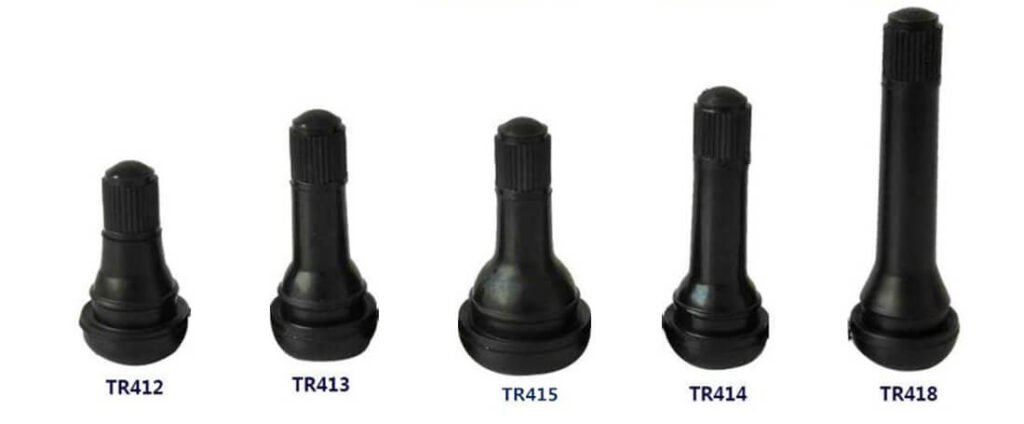
A: We supply TR414, TR415, TR413, and TR418 valves, suitable for most cars, SUVs, light trucks, and buses.
Q: What pressure can these valves withstand?
A: Standard car valve stems support 3.5–4.5 bar (50–65 psi). High-pressure versions for commercial vehicles are available upon request.
2. Installation & Usage
Q: Is it difficult to install a tubeless tire valve?
A: Not at all. Tire valve installation is quick and easy using hand tools or pneumatic tools. Proper alignment of the rubber seal ensures no air leaks.
Q: Can tubeless tire valves be reused?
A: The metal parts can be reused, but the rubber sealing gasket must be replaced if worn or damaged. Always check the seal during tire maintenance.
Q: How do I check if a valve is leaking?
A: Apply soapy water around the valve stem. Bubbles indicate air leakage. Alternatively, check tire pressure with a digital tire pressure gauge.
Q: Can I replace the tire valve myself?
A: For standard passenger cars, yes. For high-pressure or commercial tires, professional installation is recommended to ensure safety.
3. Compatibility & Applications
Q: Which vehicles are these valves compatible with?
A: Our TR414 and TR415 valves fit most passenger cars, SUVs, and light trucks. TR418 valves are commonly used for commercial vehicles.
Q: Can these valves be used with tire sealant or repair tools?
A: Yes. Tubeless tire valves are fully compatible with tire sealant, plug kits, and patch kits, without affecting sealing performance.
Q: Are these valves compatible with TPMS (tire pressure monitoring systems)?
A: Yes, but make sure to select TPMS-compatible valve stems to ensure proper sensor readings.
4. Durability & Warranty
Q: How long do tubeless tire valves last?
A: Under normal conditions, tire valves last 3–5 years. Metal parts are corrosion-resistant, and rubber seals are aging-resistant.
Q: Do you provide warranty or replacement for defective valves?
A: Yes. Defective or quality-issue valves can be returned or replaced. Damage caused by improper installation is not covered.
Q: Do you offer anti-theft valve options?
A: Yes. Our locking tubeless tire valves prevent unauthorized air release and lost valve caps.
5. Other Common Questions
Q: Does the color of the valve matter?
A: Valve colors (black, silver, red) indicate different models or purposes. Functionality remains the same.
Q: Will the valve affect tire inflation speed?
A: No. Our TR414/TR415 valve stems are designed for fast and efficient tire inflation without leakage.
6. Maintenance Tips
How often should I check tubeless tire valves?
Inspect every tire change or at least twice a year for wear or leaks.
Can I clean the valve without damaging it?
Yes, use mild soap and water; avoid harsh chemicals that can degrade the rubber seal.
7. Troubleshooting Common Problems
My tire is leaking air even with a new valve, what should I do?
Check the valve core is fully tightened and the rubber seal is seated correctly.
My TPMS shows a warning after replacing the valve, why?
Ensure you are using a TPMS-compatible valve and the sensor is reinitialized per manufacturer instructions