
Can I replace a damaged tire valve stem myself?
A tire valve stem is a small but critical component that keeps air sealed inside the tire. When it becomes damaged, it can cause slow air leaks, low tire pressure, or even unsafe driving conditions. Many car owners wonder whether they can replace a damaged tire valve stem by themselves. The answer depends on the type of valve, the wheel structure, and the tools available.
This guide explains when you can replace a tire valve stem yourself, how to do it safely, and when professional service is recommended.
What Is a Tire Valve Stem?
A tire valve stem is a small rubber or metal valve installed on the wheel rim. It allows air to enter the tire and prevents air from escaping. Inside the valve is a spring-loaded core that controls airflow during inflation and deflation.
Modern vehicles may also use TPMS (Tire Pressure Monitoring System) valve stems, which include electronic sensors to monitor tire pressure.
Common Signs of a Damaged Valve Stem
A faulty valve stem can cause several noticeable problems:
- Continuous or slow air leakage from the tire
- Difficulty maintaining correct tire pressure
- Cracks, dryness, or aging rubber on the valve stem
- Hissing sound near the valve area
- Frequent need to reinflate tires
If you notice these symptoms, inspection or replacement is necessary.
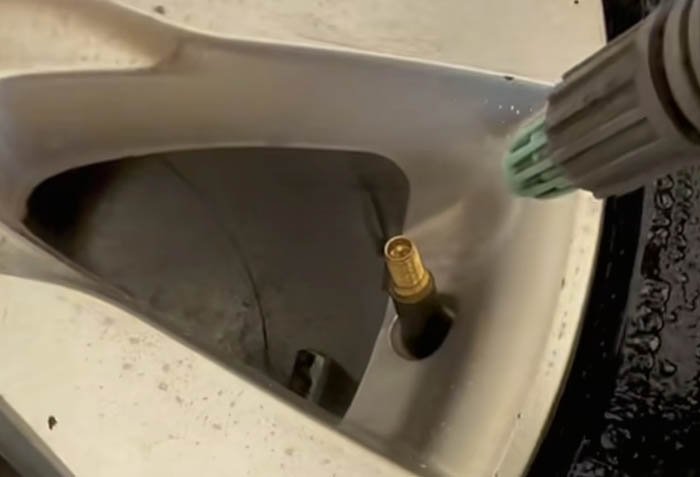
Can You Replace a Tire Valve Stem Yourself?
Yes, in many cases you can replace a standard rubber tire valve stem yourself, especially on non-TPMS wheels.
However, DIY replacement is only recommended if:
- You have basic tire maintenance tools
- The wheel does not contain a TPMS sensor
- You understand how to safely release and refill tire pressure
You should avoid DIY replacement if:
- The wheel has a built-in TPMS sensor
- The rim is damaged or heavily corroded
- You are not confident removing the tire safely
Tools Needed for Valve Stem Replacement
Before starting, prepare the following tools:
- Valve core removal tool
- Tire jack
- Air compressor or pump
- New tire valve stem
- Tire bead tool or pliers (optional)
- Soapy water (for leak testing)
Step-by-Step: How to Replace a Damaged Tire Valve Stem
Step 1: Deflate the Tire
Remove all air from the tire using the valve core removal tool. This reduces pressure and makes removal safer.
Step 2: Remove the Old Valve Stem
Access the valve from the rim side. Pull or cut out the damaged rubber valve stem carefully using pliers or a valve puller tool.
Step 3: Install the New Valve Stem
Lubricate the new valve stem slightly with soapy water. Insert it into the rim hole and pull it into place until it is fully seated.
Step 4: Reinflate the Tire
Use an air compressor to inflate the tire to the manufacturer’s recommended pressure level.
Step 5: Check for Air Leaks
Apply soapy water around the valve stem area. If bubbles appear, recheck the installation.
When You Should Go to a Professional
Although replacing a valve stem can be a simple task, professional service is recommended in the following cases:
- Vehicles equipped with TPMS sensors
- Alloy wheels with tight sealing structures
- Severe corrosion around the valve hole
- No proper tire removal tools available
Professional technicians can ensure safe installation without damaging the wheel or tire.
Preventing Future Valve Stem Damage
To extend valve stem life, follow these tips:
- Avoid harsh chemical cleaning near valve areas
- Check tire pressure regularly
- Replace aging rubber valve stems every 3–5 years
- Use high-quality OEM-grade valve stems
- Inspect valves during every tire service
Related Products
For professional tire maintenance, high-quality valve stems and tire repair tools are essential. Cangzhou Shengshi Weiye offers a full range of tire valves and accessories suitable for passenger cars, trucks, and tire service workshops.
Conclusion
Replacing a damaged tire valve stem yourself is possible in many standard cases, especially for non-TPMS wheels. With the right tools and careful steps, it can be a quick and cost-effective maintenance task. However, for modern vehicles or complex wheel systems, professional assistance is recommended to ensure safety and proper sealing.
Get a Bulk Quote / Inquiry:
If you are looking for a reliable supplier or need a custom wholesale price, contact our sales representative instantly via WhatsApp or Email.

